
New Cell Phone Policy at Blake Facing Backlash
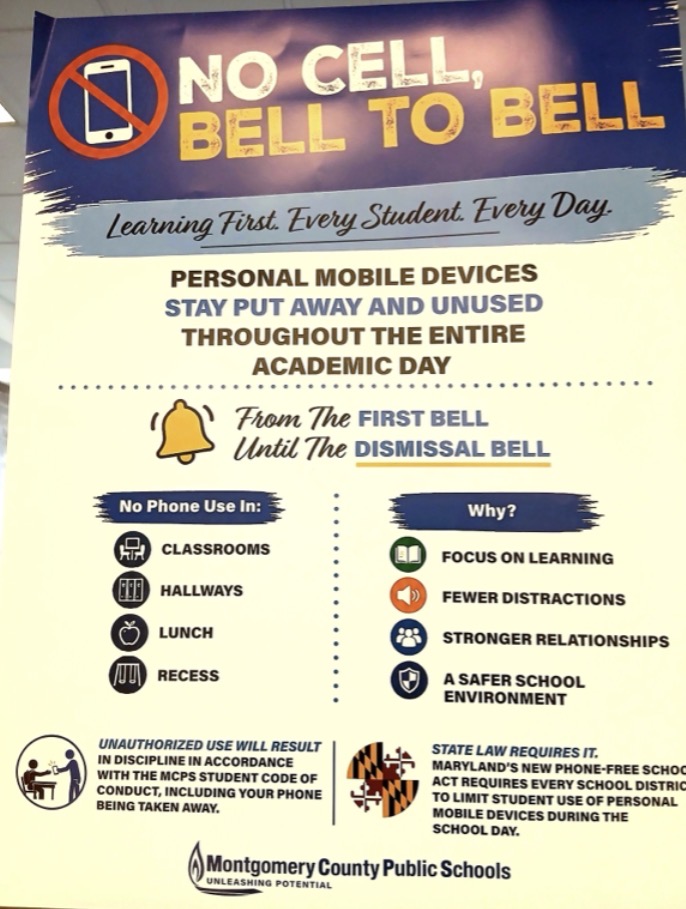
James Hubert Blake High School students are adjusting to a new cellphone policy that limits phone use throughout the school day. While the policy aims to reduce distractions and encourage students to interact more, enforcing it during lunch and between classes has become a challenge, to say the least.
In an interview with The Blake Beat, Principal Mr. Adelekan shared his honest opinion about the policy and the difficulties that come with enforcing it. Mr. Adelekan shared that “[He] thinks the classroom piece is appropriate. [He] think the transition and lunchtime piece is challenging.” According to Mr. Adelekan, the purpose of the policy goes beyond keeping students focused in class; it can also help students develop important social skills. “The benefit is removing the distraction, so you guys can actually focus on learning,” he explained. He also emphasized the importance of face-to-face communication, saying students need to learn how to interact, collaborate and solve problems without constantly relying on their phones.
However, not every student believes taking phones away automatically leads to more social interaction. Disheveled Burke, a sophomore, when asked whether students were socializing more, he believes that they’re not. Disheveled explained that some students are naturally quiet and would rather sit alone than start conversations, even without their phones.
Another student, Reagan King, a sophomore , acknowledged that the policy has helped some students concentrate during class but questioned why the restrictions extend beyond instructional time. “But like, it’s a little bit excessive if you’re doing it during, like, lunchtime or changing short classes,” Reagan said, adding that some students might need to check in with someone during the school day. When asked whether the policy was actually working, Reagan responded, “I mean, just a little bit,” explaining that some students still hide their phones and use them despite the restrictions.
For other students, the biggest concern is having access to their phones when they need to communicate with their families. Kaolin Parache who’s currently a senior expressed that “[She] wouldn’t say it’s bad, but, like, there’s certain points where people gotta text their parents.” Kaolin explained that keeping phones away during class is understandable, but restricting them in hallways feels excessive. “So it’s like, it feels like jail,” Kaolin said.
However, enforcing the policy outside classrooms is not as simple as enforcing it during lessons. “It’s very difficult to try to get 1,800 kids to put their phones away,” Adelekan admitted. When asked about his announcement on October 2 was prompted by anything specific, Mr. Adelekan explained that it was simply a reminder that stricter enforcement could be coming. “I will never do something to a student that they haven’t been given fair warning about,” he said. Although Mr. Adelekan recognizes the challenges, he believes the policy is intended to prepare students for situations beyond high school, where communication, responsibility and self-discipline are essential.
Some students, however, believe a compromise would be more effective. Disheveled suggested keeping phones away during class while allowing students to use them during lunch and other non-instructional periods.
As Blake continues adjusting to the policy, the difference between the administration’s intentions and students’ experiences raises an important question: How effectively can the school enforce cellphone restrictions while addressing students’ concerns?