
Longest U.S. Government Shutdown Comes to an End
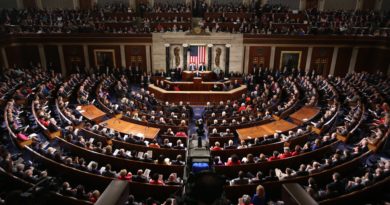
The government shut down for 43 days from October 1st to November 12, 2025, making it the longest in United States history. A shutdown occurs when Congress fails to compromise on a budget bill by a specified date.
In the case of the one that recently concluded, the Senate could not agree on the bill before October 1, the end of the fiscal year. The budget had already passed in the House, but most Democrats in the Senate opposed the bill since it didn’t include health insurance. Due to that disagreement, the budget couldn’t be passed, causing government-funded programs to lose the money they would have been granted the following month.
Without those funds, people who work directly under the government could not receive pay, as there was no budget to determine how much they would be paid. Major government-funded programs also will not get any new payments.
What’s the deal with backpay?
Approximately 1.4 million federal workers had not received paychecks for almost a month and a half. This included over 650,000 furloughed employees who temporarily left work without pay.
The Government Employee Fair Treatment Act of 2019 states that federal workers are entitled to back pay for the duration of the shutdown. These paychecks are usually distributed within a few days after the government reopens. The Trump administration, however, has not guaranteed reimbursement. “There are some people that don’t deserve to be taken care of, and we’ll take care of them in a different way,” the President stated at a White House event. This was widely seen as intimidation to pressure Democrats into folding.
What happened with SNAP?
Approximately 42 million Americans rely on SNAP benefits, which are supplementary for families to help afford groceries and other necessities that accept food stamps. Due to the shutdown, SNAP was one of the many programs that lost its funding, as the government halted it after the shutdown began. Many families lost the funds they would rely on to have food on the table.
However, the government had the option to use some leftover federal funds to cover the cost of SNAP. Those are funds held specifically for situations like this. Trump decided to withhold the funds from the USDA, refusing to allocate money to SNAP for the people who need its support. Afterwards, two judges ordered Trump to give full benefits, but he refused to follow. This situation inspired a handful of states to begin figuring out a way to provide funds for the people within those states who qualify and rely on SNAP benefits.
What does this mean for the near future?
The bill signed to end the shutdown is only temporary and will fund programs, including the Department of Agriculture, Department of Veterans Affairs, SNAP, and Women, Infants, and Children, until January 30th, 2026. When it nears its expiration, Congress must create another budget bill to prevent another shutdown.